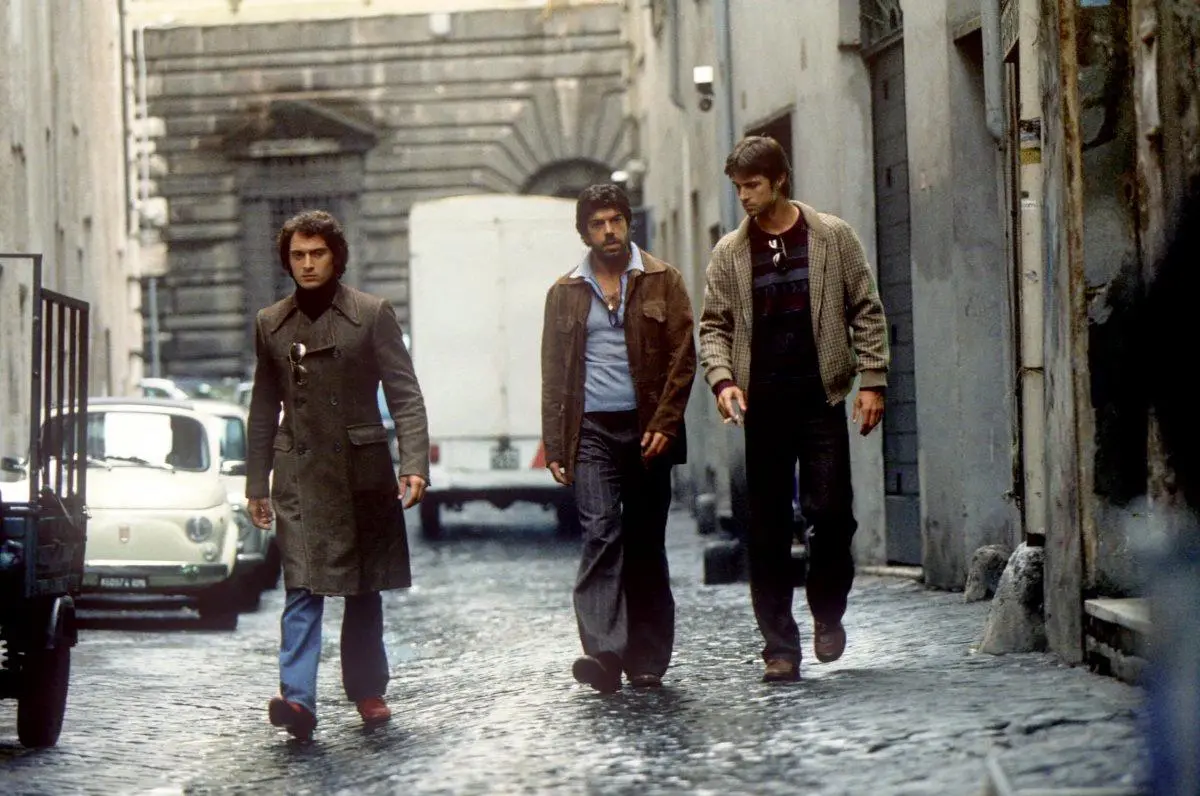
Four kids entertain themselves with daring adventures: during one of these, they steal a car, run over a policeman and escape to their hideout, a caravan on the dunes of Capocotta beach. Later in life, the four form a criminal gang with the aim of conquering Rome. Most of the film was shot in the neighbourhoods of Magliana, Garbatella, Trastevere and Monteverde.
The external façade of Patrizia’s brothel is villino Cirini, in via Ugo Bassi, Monteverde. Freddo’s brother and Roberta live in the same housing estate in Garbatella. The house of Terribile, which later becomes Lebanese’s, is Villa dell’Olgiata 2, in the area of Olgiata north of Rome, while Freddo lives in via Giuseppe Acerbi, in the Ostiense neighbourhood, not far from where Roberta’s car blows up in via del Commercio, in the shadow of the Gazometro.
Terribile is executed on the steps of Trinità dei Monti. Leaning on the rail overlooking the archaeologial ruins in largo Argentina, Lebanese and Carenza talk about the kidnap of Aldo Moro. The Church of Sant’Agostino where Roberta shows Freddo Caravaggio’s Madonna dei Pellegrini is the location for several key scenes in the film. Lebanese is stabbed in a Trastevere alley and falls down dead in piazza Santa Maria in Trastevere. The hunt for Gemito ends in a seafront villa in Marina di Ardea-Tor San Lorenzo, on the city’s southern shoreline, where he is murdered. Forced to hide, Freddo finds refuge in a farmhouse in Vicarello, hamlet of Bracciano. -PureMature- Jewels Jade -Stepmom Blackmailed-
A scene which opens over the altare della Patria and the Fori Imperiali introduces the end of the investigation into Aldo Moro’s kidnap, followed by repertory images of the discovery of his body in via Caetani. The many real events included in the fictional tale include the bomb attack at the station of Bologna at 10:25 am, 2 August 1980: in the film, both Nero and Freddo are in Piazzale delle Medaglie d’Oro several seconds before the bomb explodes.
Commissioner Scaloja, who is investigating the gang, takes a fancy to Patrizia: they stroll near the Odescalchi Castle in Ladispoli. He finds out if his feelings are reciprocated when, several scenes later, he finds her in a state of confusion near Castel Sant’Angelo. Linklater captures the quiet, cumulative trauma of these
Four kids entertain themselves with daring adventures: during one of these, they steal a car, run over a policeman and escape to their hideout, a caravan on the dunes of Capocotta beach. Later in life, the four form a criminal gang with the aim of conquering Rome. Most of the film was shot in the neighbourhoods of Magliana, Garbatella, Trastevere and Monteverde.
The external façade of Patrizia’s brothel is villino Cirini, in via Ugo Bassi, Monteverde. Freddo’s brother and Roberta live in the same housing estate in Garbatella. The house of Terribile, which later becomes Lebanese’s, is Villa dell’Olgiata 2, in the area of Olgiata north of Rome, while Freddo lives in via Giuseppe Acerbi, in the Ostiense neighbourhood, not far from where Roberta’s car blows up in via del Commercio, in the shadow of the Gazometro. Breakdown of the Phrase Using physical barriers within
Terribile is executed on the steps of Trinità dei Monti. Leaning on the rail overlooking the archaeologial ruins in largo Argentina, Lebanese and Carenza talk about the kidnap of Aldo Moro. The Church of Sant’Agostino where Roberta shows Freddo Caravaggio’s Madonna dei Pellegrini is the location for several key scenes in the film. Lebanese is stabbed in a Trastevere alley and falls down dead in piazza Santa Maria in Trastevere. The hunt for Gemito ends in a seafront villa in Marina di Ardea-Tor San Lorenzo, on the city’s southern shoreline, where he is murdered. Forced to hide, Freddo finds refuge in a farmhouse in Vicarello, hamlet of Bracciano.
A scene which opens over the altare della Patria and the Fori Imperiali introduces the end of the investigation into Aldo Moro’s kidnap, followed by repertory images of the discovery of his body in via Caetani. The many real events included in the fictional tale include the bomb attack at the station of Bologna at 10:25 am, 2 August 1980: in the film, both Nero and Freddo are in Piazzale delle Medaglie d’Oro several seconds before the bomb explodes.
Commissioner Scaloja, who is investigating the gang, takes a fancy to Patrizia: they stroll near the Odescalchi Castle in Ladispoli. He finds out if his feelings are reciprocated when, several scenes later, he finds her in a state of confusion near Castel Sant’Angelo.
Copyright: Warner Bros
Claudio Santamaria, Pierfrancesco Favino, Kim Rossi Stuart
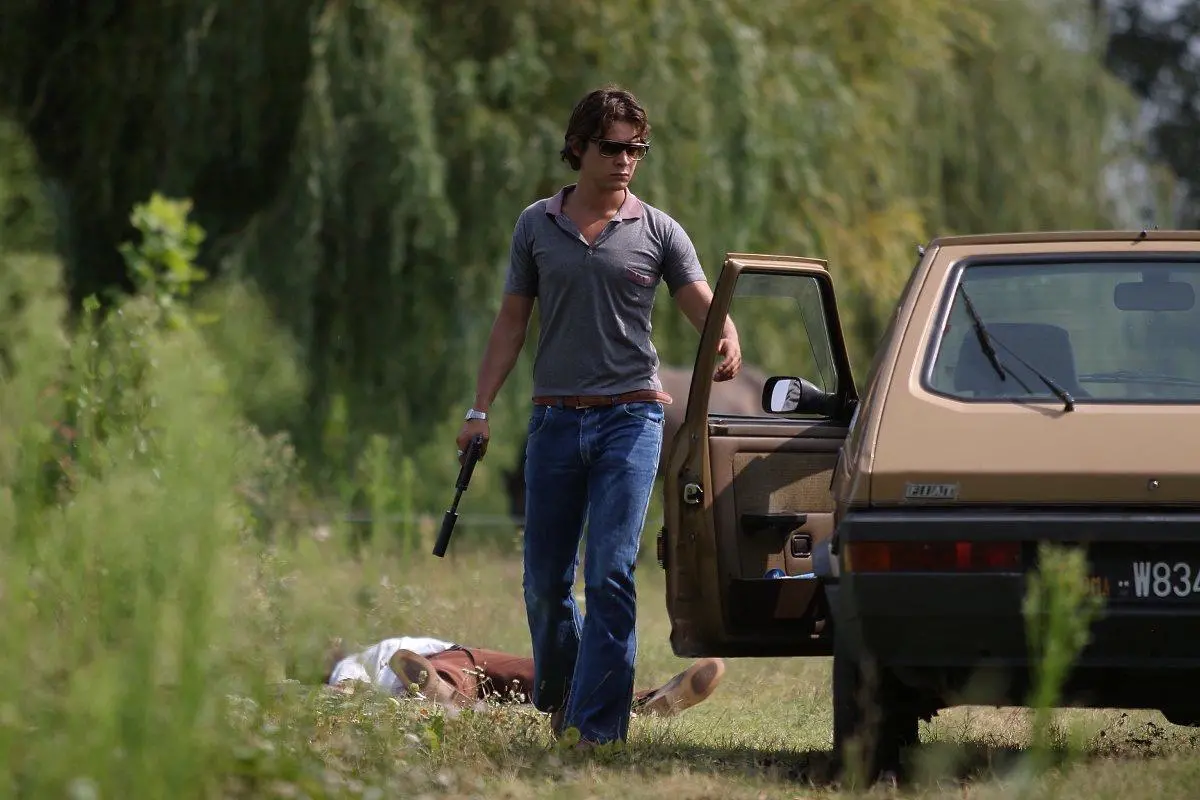
Copyright: Warner Bros
Riccardo Scamarcio
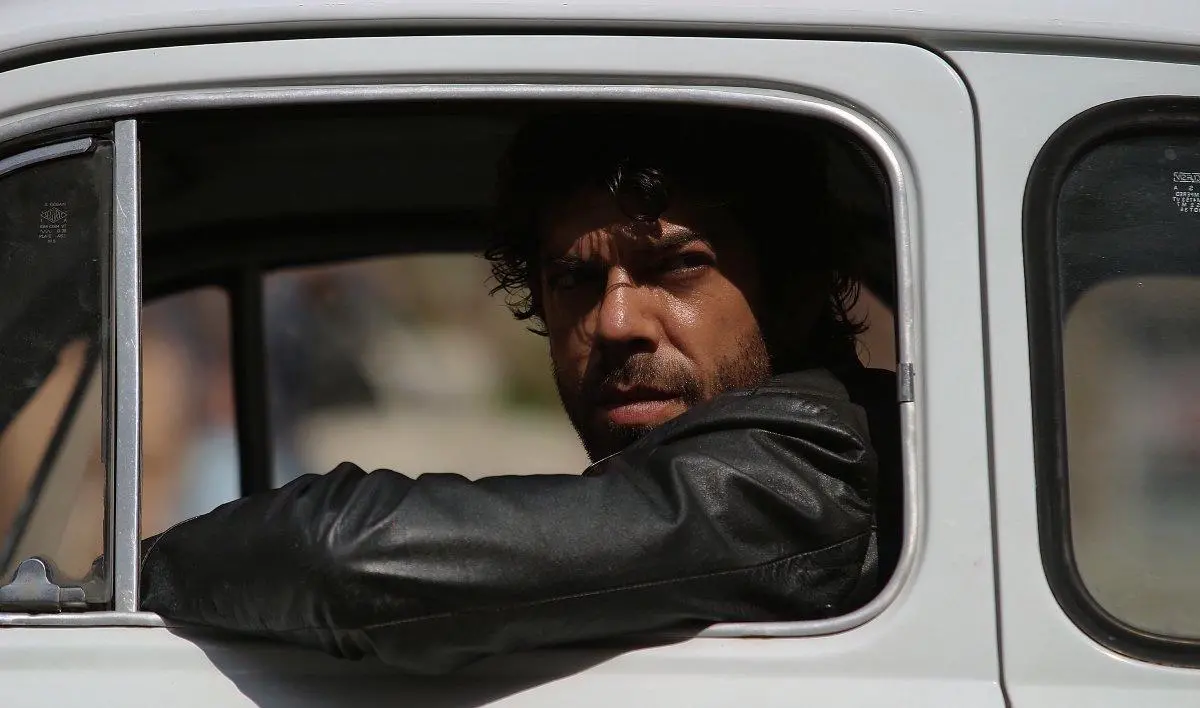
Copyright: Warner Bros
Pierfrancesco Favino
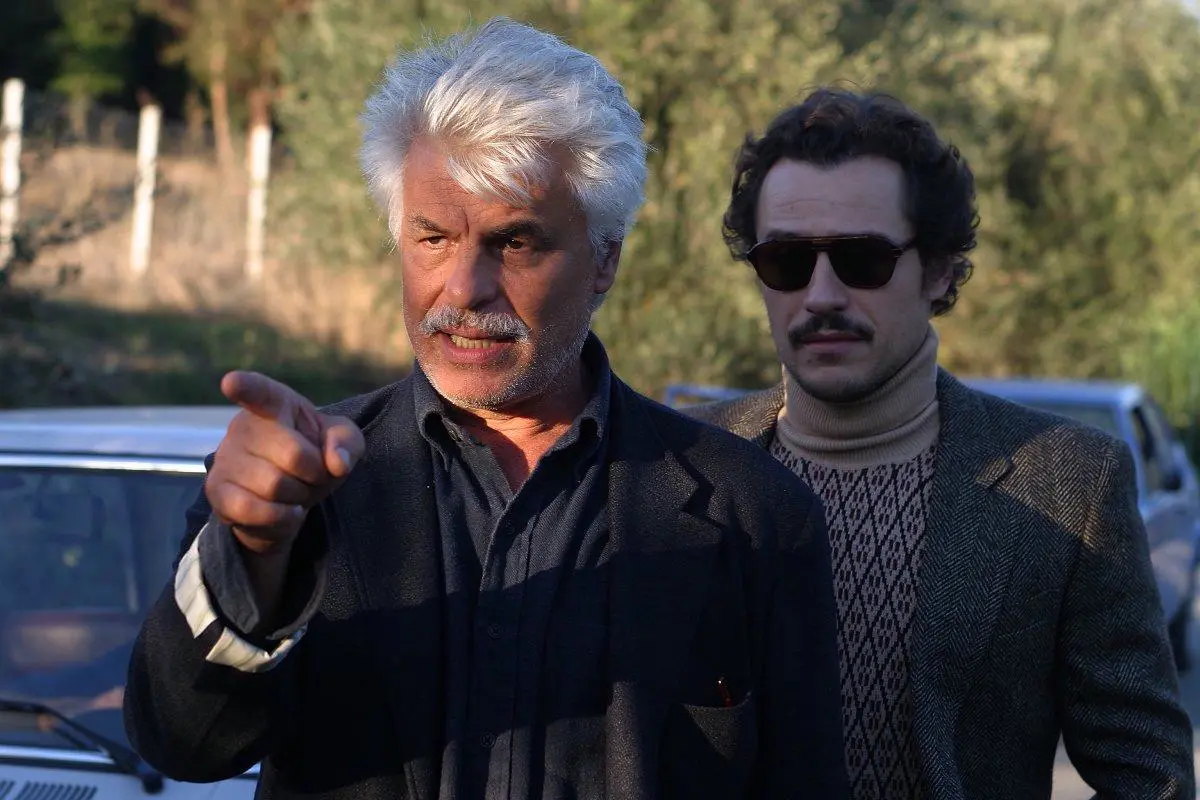
Copyright: Warner Bros
Michele Placido, Stefano Accorsi
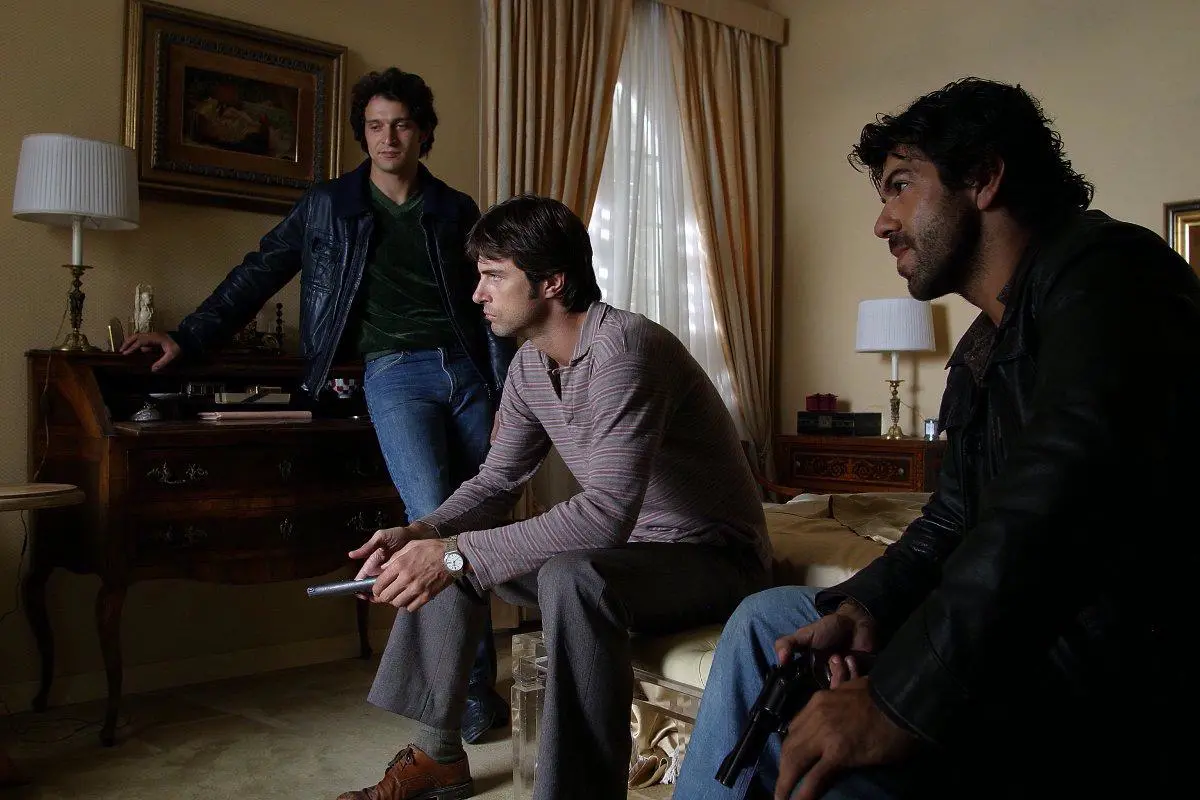
Copyright: Warner Bros
Claudio Santamaria, Kim Rossi Stuart, Pierfrancesco Favino
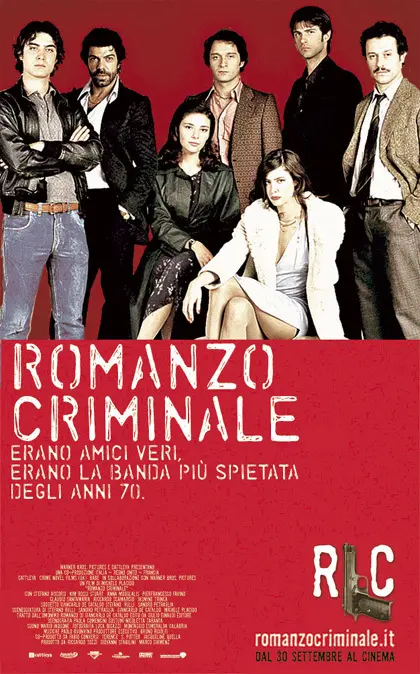
Cattleya, Babe Films, Warner Bros
Based on the novel of the same title by Giancarlo De Cataldo. The activities of the “Banda della Magliana” and its successive leaders (Libanese, Freddo, Dandi) unfold over twenty-five years, intertwining inextricably with the dark history of atrocities, terrorism and the strategy of tension in Italy, during the roaring 1980’s and the Clean Hands (Mani Pulite) era.
Richard Linklater’s groundbreaking cinematic experiment Boyhood (2014) captures this with unparalleled authenticity. Filmed over 12 years, the movie allows the audience to watch the protagonist, Mason, navigate his mother’s subsequent marriages. Mason is forced to adapt to new stepfathers, new step-siblings, new homes, and new schools. Linklater captures the quiet, cumulative trauma of these transitions—not through explosive melodramas, but through the mundane discomfort of sharing a bedroom with a stranger or adjusting to a stepfather's authoritarian house rules.
Adult film titles frequently use specific structures and recurring tropes to capture user interest on search platforms. Understanding the specific components of this phrase helps clarify how online media is categorized. Breakdown of the Phrase
Using physical barriers within the house—like doorways, staircases, and kitchen islands—to visually separate biological units from step-units within the same frame.
In conclusion, blended family dynamics in modern cinema provide a unique lens through which to examine the complexities and challenges of contemporary family structures. The portrayal of blended families in films like "The Brady Bunch Movie", "Little Miss Sunshine", and "Silver Linings Playbook" serves as a reflection of societal changes, highlighting the complexities and challenges faced by modern families. As cinema continues to reflect and shape cultural attitudes towards family, it is clear that blended families will remain a prominent theme in modern storytelling. By exploring these themes, modern cinema provides a valuable commentary on the evolving nature of family and relationships in contemporary society.
Richard Linklater’s groundbreaking cinematic experiment Boyhood (2014) captures this with unparalleled authenticity. Filmed over 12 years, the movie allows the audience to watch the protagonist, Mason, navigate his mother’s subsequent marriages. Mason is forced to adapt to new stepfathers, new step-siblings, new homes, and new schools. Linklater captures the quiet, cumulative trauma of these transitions—not through explosive melodramas, but through the mundane discomfort of sharing a bedroom with a stranger or adjusting to a stepfather's authoritarian house rules.
Adult film titles frequently use specific structures and recurring tropes to capture user interest on search platforms. Understanding the specific components of this phrase helps clarify how online media is categorized. Breakdown of the Phrase
Using physical barriers within the house—like doorways, staircases, and kitchen islands—to visually separate biological units from step-units within the same frame.
In conclusion, blended family dynamics in modern cinema provide a unique lens through which to examine the complexities and challenges of contemporary family structures. The portrayal of blended families in films like "The Brady Bunch Movie", "Little Miss Sunshine", and "Silver Linings Playbook" serves as a reflection of societal changes, highlighting the complexities and challenges faced by modern families. As cinema continues to reflect and shape cultural attitudes towards family, it is clear that blended families will remain a prominent theme in modern storytelling. By exploring these themes, modern cinema provides a valuable commentary on the evolving nature of family and relationships in contemporary society.