The book serves as a poignant reminder that love, despite the emotional scars it can leave, often leads to profound growth and understanding. It doesn't shy away from pain, but it always pushes the narrative back toward hope and healing. In doing so, it offers a roadmap for reclaiming your life after it's been broken.
Hayley Grace's Life After You is a modern poetry collection that explores the emotional aftermath of heartbreak, loss, and the journey toward self-reclamation. Readers describe it as a deeply relatable and evocative work, particularly for those navigating the end of a toxic relationship or a first love.
Beyond the romantic plotline, this is a coming-of-self story. The main character must figure out who she is outside of her past relationship and trauma.
One of the most iconic images from Life After You is the metaphor of the "broken house." Hayley Grace uses the imagery of a deteriorating physical home to symbolize the fragility of relationships. It explores the idea of staying in a love that feels like a home falling apart around you. A line that has resonated deeply with readers—“I'd rather stay with you in this broken house”—captures the tension between the logical need to leave and the emotional desire to stay.
If you enjoy authors like Colleen Hoover, Mia Sheridan, or Rebecca Yarros, Life After You by Hayley Grace deserves a spot on your reading list. It is an emotional rollercoaster that will make you cry, but ultimately leaves your heart feeling full. Skip the sketchy PDF download sites and grab a verified digital copy to enjoy this moving story safely. If you want to dive deeper into this book, let me know:
One of the most praised chapters involves reframing memories. Initially, memories hurt because they highlight absence. Grace provides exercises to separate the memory from the pain, allowing joy to eventually coexist with sorrow.
At its core, Life After You is a story about aftermaths. It focuses on the profound truth that life does not stop when our world falls apart, even when we desperately want it to.
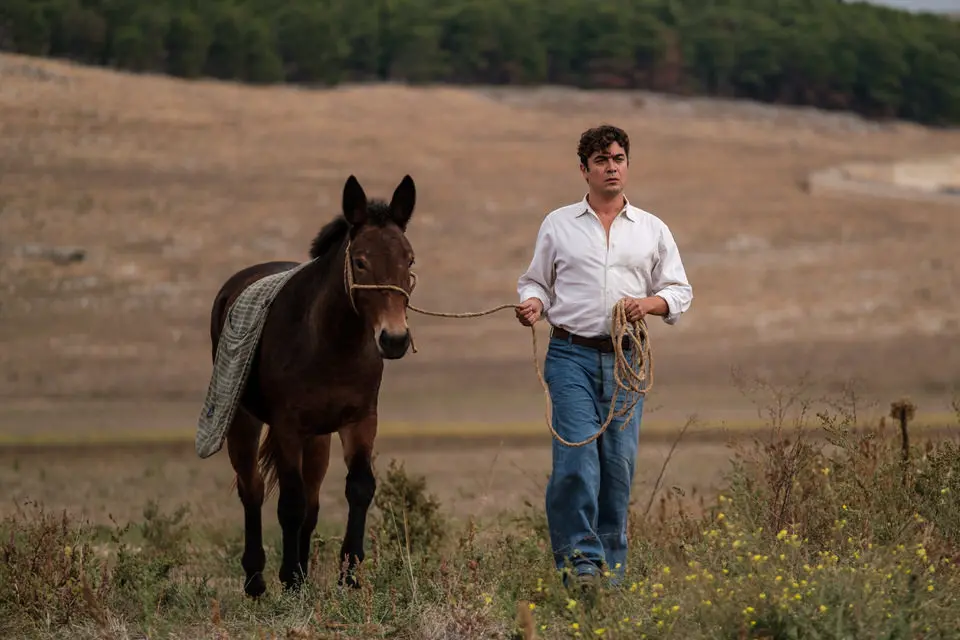
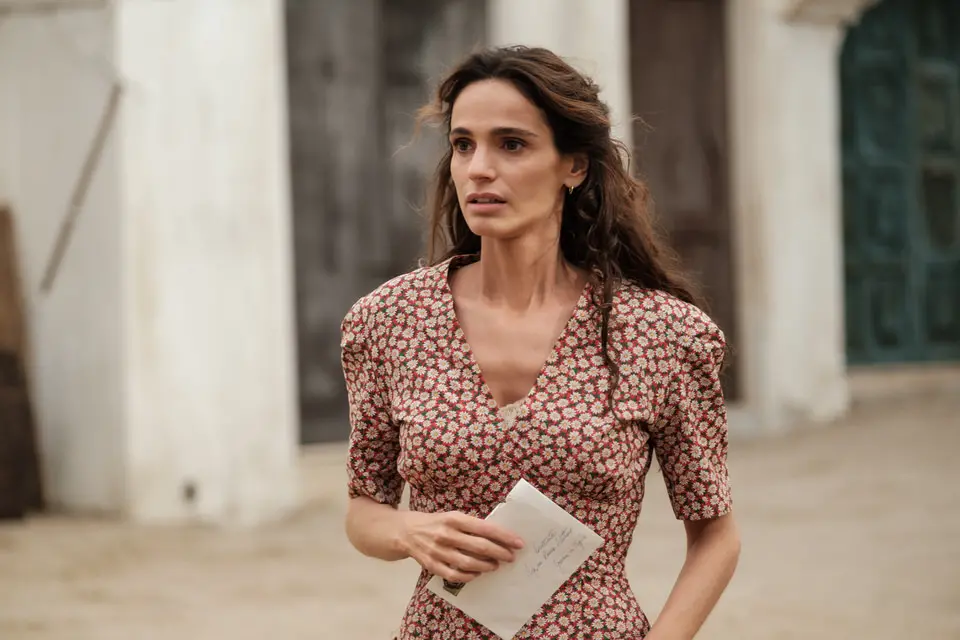
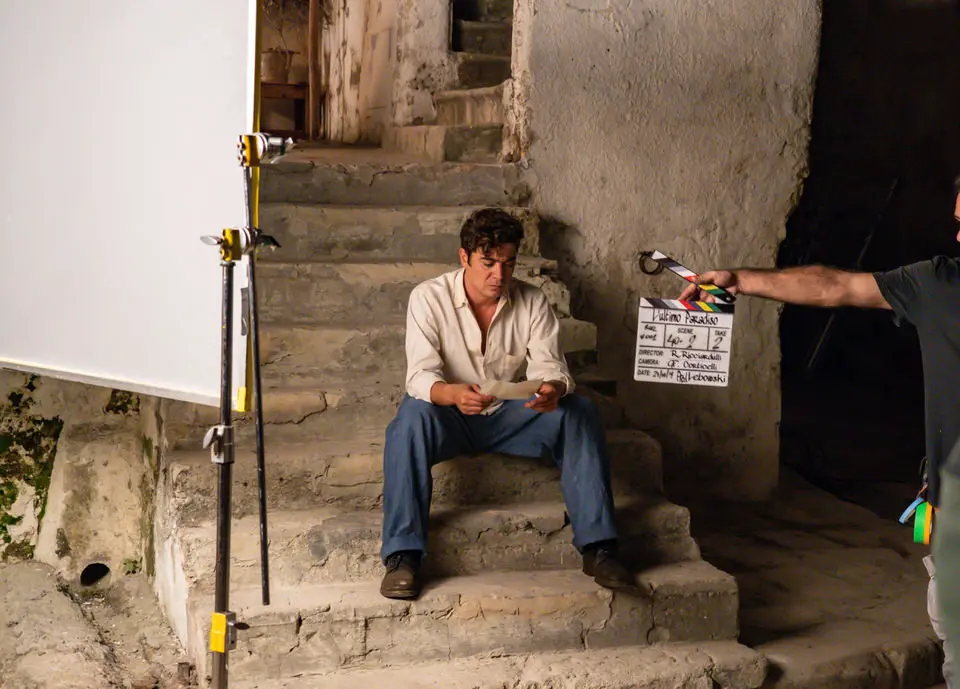
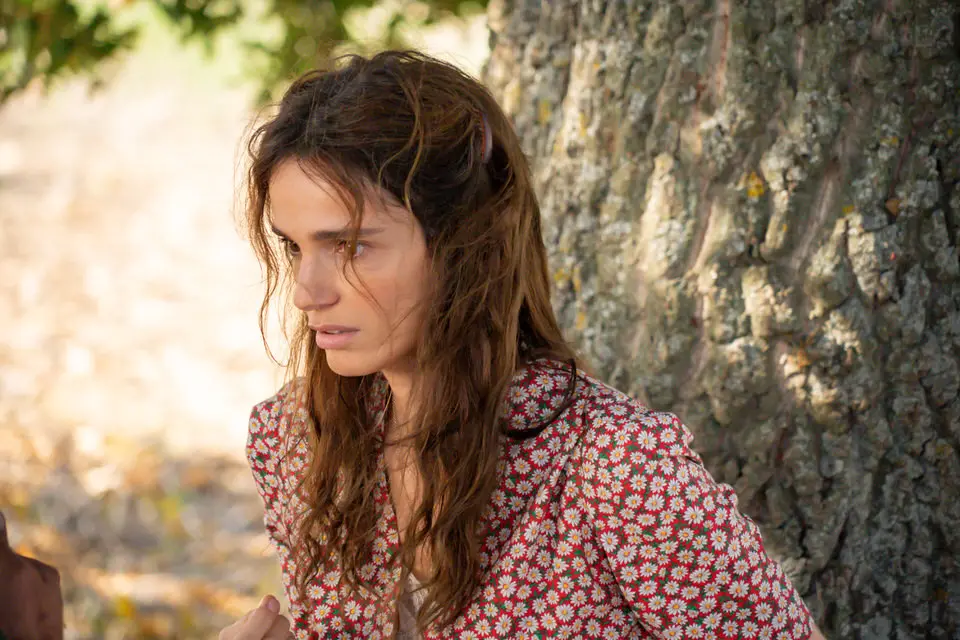
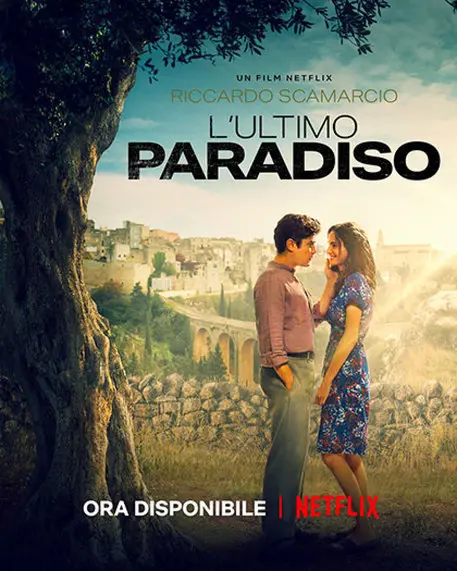
The director Rocco Ricciardulli, from Bernalda, shot his second film, L’ultimo Paradiso between October and December 2019, several dozen kilometres from his childhood home in the Murgia countryside on the border of the Apulia and Basilicata regions. The beautiful, albeit dry and arid landscape frames a story inspired by real-life events relating to the gangmaster scourge of Italy’s martyred lands. It is set in the late 1950’s, an era when certain ancestral practices of aristocratic landowners, archaic professions and a rigid division of work, owners and farmhands, oppressors and oppressed still exist and the economic boom is still far away, in time and space.
The borgo of Gravina in Puglia, where time seems to stand still, is perched at a height of 400m on a limestone deposit part of the fossa bradanica in the heart of the Parco nazionale dell’Alta Murgia. The film immortalizes the town’s alleyways, ancient residences and evocative aqueduct bridging the Gravina river. The surrounding wild nature, including olive trees, Mediterranean maquis and hectares of farm land, provides the typical colours and light of these latitudes. Just outside the residential centre, on the slopes of the Botromagno hill, which gives its name to the largest archaeological area in Apulia, is the Parco naturalistico di Capotenda, whose nature is so pristine and untouched that it provided a perfect natural backdrop for a late 1950s setting.
The alternative to oppression is departure: a choice made by Antonio whom we first meet in Trieste at the foot of the fountain of the Four Continents whose Baroque appearance decorates the majestic piazza Unità d’Italia.
The director Rocco Ricciardulli, from Bernalda, shot his second film, L’ultimo Paradiso between October and December 2019, several dozen kilometres from his childhood home in the Murgia countryside on the border of the Apulia and Basilicata regions. The beautiful, albeit dry and arid landscape frames a story inspired by real-life events relating to the gangmaster scourge of Italy’s martyred lands. It is set in the late 1950’s, an era when certain ancestral practices of aristocratic landowners, archaic professions and a rigid division of work, owners and farmhands, oppressors and oppressed still exist and the economic boom is still far away, in time and space.
The borgo of Gravina in Puglia, where time seems to stand still, is perched at a height of 400m on a limestone deposit part of the fossa bradanica in the heart of the Parco nazionale dell’Alta Murgia. The film immortalizes the town’s alleyways, ancient residences and evocative aqueduct bridging the Gravina river. The surrounding wild nature, including olive trees, Mediterranean maquis and hectares of farm land, provides the typical colours and light of these latitudes. Just outside the residential centre, on the slopes of the Botromagno hill, which gives its name to the largest archaeological area in Apulia, is the Parco naturalistico di Capotenda, whose nature is so pristine and untouched that it provided a perfect natural backdrop for a late 1950s setting.
The alternative to oppression is departure: a choice made by Antonio whom we first meet in Trieste at the foot of the fountain of the Four Continents whose Baroque appearance decorates the majestic piazza Unità d’Italia.
Lebowski, Silver Productions
In 1958, Ciccio, a farmer in his forties married to Lucia and the father of a son of 7, is fighting with his fellow workers against those who exploit their work, while secretly in love with Bianca, the daughter of Cumpà Schettino, a feared and untrustworthy landowner.
The book serves as a poignant reminder that love, despite the emotional scars it can leave, often leads to profound growth and understanding. It doesn't shy away from pain, but it always pushes the narrative back toward hope and healing. In doing so, it offers a roadmap for reclaiming your life after it's been broken.
Hayley Grace's Life After You is a modern poetry collection that explores the emotional aftermath of heartbreak, loss, and the journey toward self-reclamation. Readers describe it as a deeply relatable and evocative work, particularly for those navigating the end of a toxic relationship or a first love.
Beyond the romantic plotline, this is a coming-of-self story. The main character must figure out who she is outside of her past relationship and trauma.
One of the most iconic images from Life After You is the metaphor of the "broken house." Hayley Grace uses the imagery of a deteriorating physical home to symbolize the fragility of relationships. It explores the idea of staying in a love that feels like a home falling apart around you. A line that has resonated deeply with readers—“I'd rather stay with you in this broken house”—captures the tension between the logical need to leave and the emotional desire to stay.
If you enjoy authors like Colleen Hoover, Mia Sheridan, or Rebecca Yarros, Life After You by Hayley Grace deserves a spot on your reading list. It is an emotional rollercoaster that will make you cry, but ultimately leaves your heart feeling full. Skip the sketchy PDF download sites and grab a verified digital copy to enjoy this moving story safely. If you want to dive deeper into this book, let me know:
One of the most praised chapters involves reframing memories. Initially, memories hurt because they highlight absence. Grace provides exercises to separate the memory from the pain, allowing joy to eventually coexist with sorrow.
At its core, Life After You is a story about aftermaths. It focuses on the profound truth that life does not stop when our world falls apart, even when we desperately want it to.