|
|
Bollettini Postali Mod. CH 8 Bis, Ter, F35, C/C 8003 - Software per Microsoft Windows |
|
|
Informativa sulla privacy e sull'uso dei cookie, condizioni generali di vendita e diritto di recesso |
Tel.
0755996655 |
|
|
Indice
dei programmi disponibili:
(FARE CLIC
SUL LINK DOWNLOAD RELATIVO AL SOFTWARE DA
SCARICARE)
|
Descrizione programmi:

While traditional nasheeds are often "vocals only," modern versions available on platforms like SoundCloud and Spotify may include melodic backing or "slowed + reverb" edits that appeal to younger audiences.
This article explores the layers of meaning behind "Amutu Li Ahya" and why it stands out in the vast landscape of Islamic vocal music. 1. Profound Thematic Depth: Redefining Life and Death
: By chanting “I die so that I may live,� the track flips the standard human fear of death into an ultimate declaration of faith, aiming for the true life of the soul in the hereafter ( Akhirah ).
The song masterfully bridges the ancient and the modern. The lyrics are drawn from classical Islamic poetry, yet the melody is arranged in a contemporary style. The version by Indonesian singer Nissa Sabyan, for example, is a modern pop interpretation, which has helped introduce these profound spiritual meanings to a younger, global audience, including those who discovered it on platforms like TikTok. It proves that spirituality can be fresh, accessible, and artistically modern without losing its essence.
Ultimately, "Amutu Li Ahya" distinguishes itself by achieving a perfect equilibrium between form and content. The lyrics speak of dying to the self, and the music enacts this through a rejection of worldly ornamentation. It is a masterpiece of spiritual minimalism. It proves that the most profound sounds are often the quietest, and that the most enduring songs are those that remind us not of who we are, but of what we sacrifice to become who we are meant to be. In a world shouting for attention, "Amutu Li Ahya" commands it through the whisper of surrender.
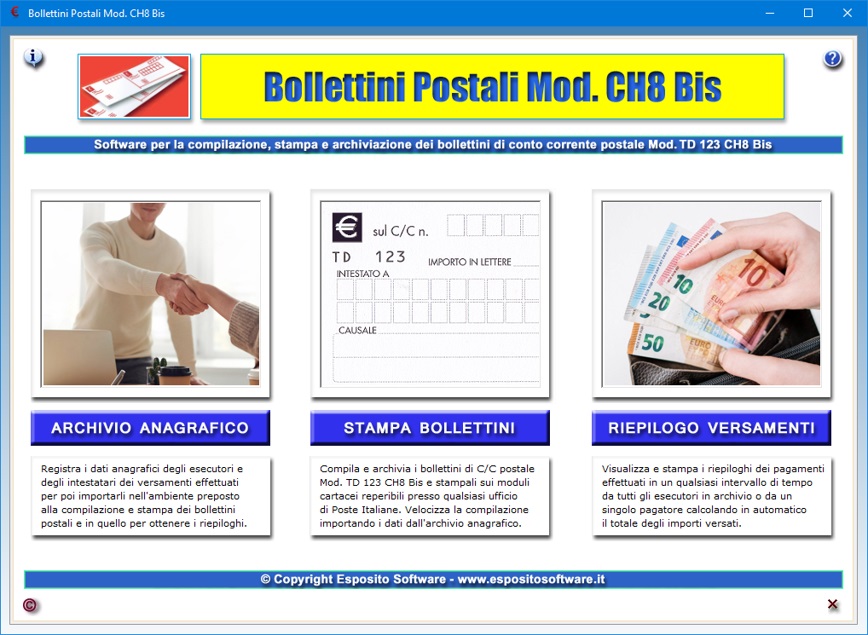
Bollettini
Postali Mod. CH8 Bis |
|
Download bollettini_postali_ch8_bis.zip (1,90 MB)
|
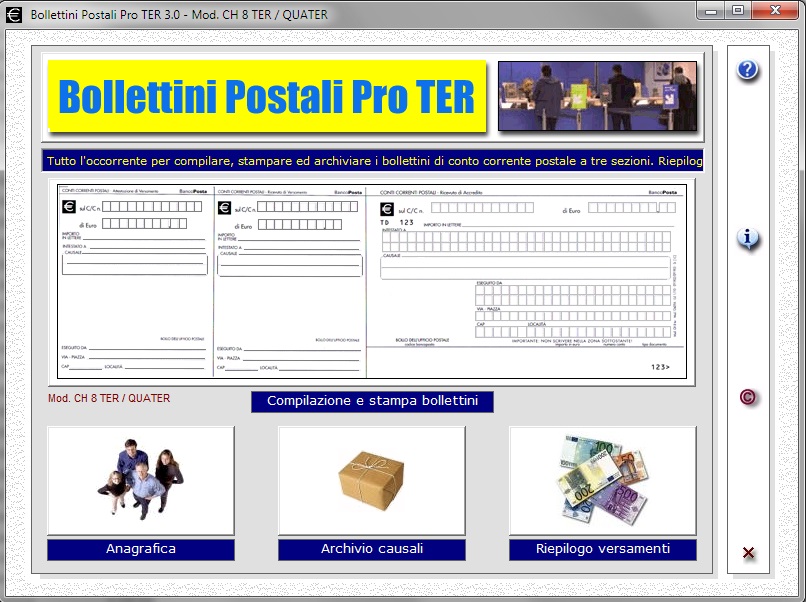
Bollettini
Postali Pro Mod. CH8 Ter |
|
Download bollettini_ter.zip (1,90 MB)
|
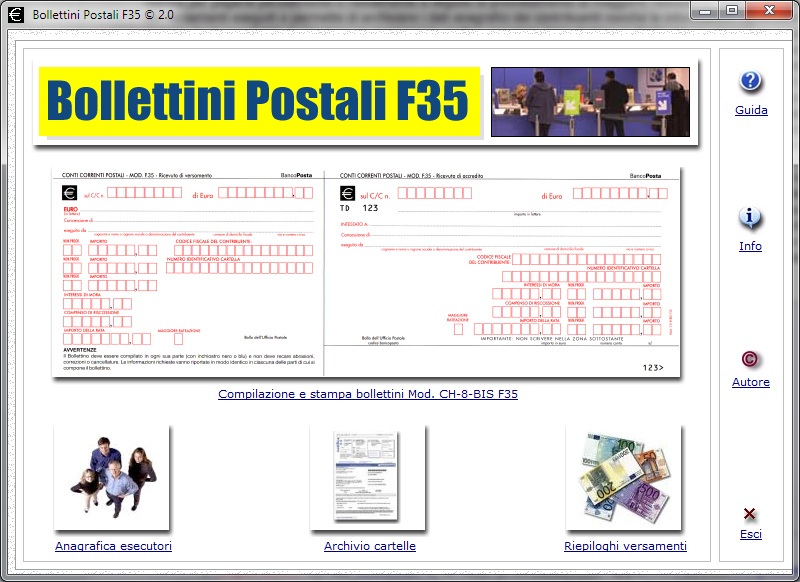
Bollettini
Postali Mod. F35 |
|
Download bollettini_f35.zip (2,20 MB)
|
Bollettini
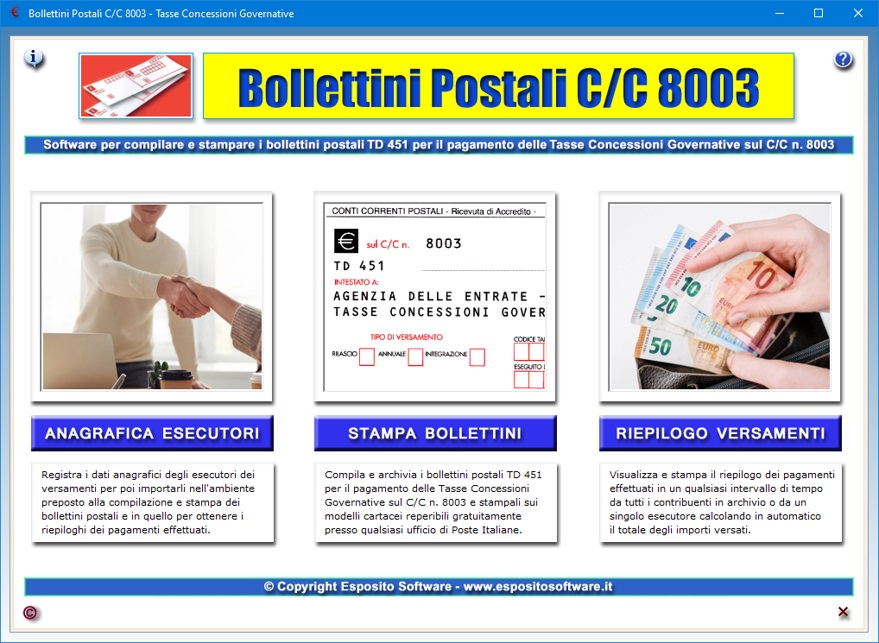
Postali Mod. TD 451 C/C 8003 |
|
Download bollettini_postali_8003.zip (4,42 MB)
|
While traditional nasheeds are often "vocals only," modern versions available on platforms like SoundCloud and Spotify may include melodic backing or "slowed + reverb" edits that appeal to younger audiences.
This article explores the layers of meaning behind "Amutu Li Ahya" and why it stands out in the vast landscape of Islamic vocal music. 1. Profound Thematic Depth: Redefining Life and Death
: By chanting “I die so that I may live,� the track flips the standard human fear of death into an ultimate declaration of faith, aiming for the true life of the soul in the hereafter ( Akhirah ).
The song masterfully bridges the ancient and the modern. The lyrics are drawn from classical Islamic poetry, yet the melody is arranged in a contemporary style. The version by Indonesian singer Nissa Sabyan, for example, is a modern pop interpretation, which has helped introduce these profound spiritual meanings to a younger, global audience, including those who discovered it on platforms like TikTok. It proves that spirituality can be fresh, accessible, and artistically modern without losing its essence.
Ultimately, "Amutu Li Ahya" distinguishes itself by achieving a perfect equilibrium between form and content. The lyrics speak of dying to the self, and the music enacts this through a rejection of worldly ornamentation. It is a masterpiece of spiritual minimalism. It proves that the most profound sounds are often the quietest, and that the most enduring songs are those that remind us not of who we are, but of what we sacrifice to become who we are meant to be. In a world shouting for attention, "Amutu Li Ahya" commands it through the whisper of surrender.
Software compatibili con tutti i sistemi Microsoft Windows a 32 e 64 bit
|