
Tamil Actress Mumtaj: Classic Cinema and Vintage Movie Recommendations The early 2000s Tamil cinema landscape was defined by high-octane romance, catchy soundtracks, and vibrant, glamorous performances. Among the actresses who epitomized this era was Mumtaj (Nagma Khan). Making her explosive entry into the industry in 1999, she quickly carved out a niche for herself, becoming a staple in many iconic films of the period. This article explores the cinematic journey of Mumtaj, highlighting her, and suggesting some of her quintessential Tamil films that are must-watches for fans of early 2000s vintage cinema. The Rise of a 2000s Diva Entering the film industry through the T. Rajender directorial Monisha En Monalisa (1999), Mumtaj’s debut immediately captured attention. Known for her glamorous screen presence and energetic dance performances, she became a crowd favorite, often appearing in popular roles across several successful Tamil films. Mumtaj's popularity stemmed from her ability to bring a unique, electrifying energy to the screen, often stealing scenes in pivotal, high-energy sequences. Throughout the 2000s, she maintained a strong presence in the South Indian film industry, appearing in over a dozen notable Tamil projects. Essential Mumtaj: Classic Tamil Movie Recommendations If you are looking to take a trip down memory lane to the era of early 2000s Tamil cinema, here are some essential Mumtaj films to watch, as highlighted by ⁠News18 and ⁠Letterboxd : Kushi (2000) : Starring alongside Vijay and Jyothika, Mumtaj played a memorable, glamorous role in this S.J. Suryah romantic comedy, which remains one of her most recognized performances. Monisha En Monalisa (1999) : The film that started it all, directed by T. Rajender. It is a vital watch to see her entry into the industry. Looty (2001) : A comedy-driven film that showcased her popularity during the early phase of her career. Chocolate (2001) : Starring Prashanth and Jaya Re, this film features Mumtaj in a significant role, contributing to her reputation as a glamorous actress in the 2000s. Gemini (2002) : Starring Vikram, this blockbuster film featured a popular item number featuring Mumtaj, showcasing her dancing talent which was a major part of her appeal. Chellamae (2004) : A psychological thriller that showed her versatility in a supporting role. London (2005) : Another notable film featuring her energetic on-screen presence. Legacy of an Era Mumtaj’s career is inseparable from the aesthetic of 2000s Tamil cinema, marked by bold character choices and iconic, crowd-pleasing dance numbers. After a 19-year career, she officially retired following her appearance on ⁠Bigg Boss Tamil 2 in 2018. Her films remain a nostalgic treat for fans, offering a glimpse into the vibrant, commercial, and often glamorous world of early 2000s Tollywood and Kollywood cinema. If you'd like to revisit these, I can help you find: Which of these films are currently streaming on popular platforms. More details about her most popular dance performances. Other actors she frequently worked with.

Introduction The phrase “tamil actress mumtaj blue film” is a search query that appears periodically, suggesting a public interest in a topic that is largely based on misinformation, rumors, or the misinterpretation of certain facts. This article provides a comprehensive, factual overview of the career of Mumtaj, a prominent figure in Tamil cinema, clarifies the context of any associated controversies, and directly addresses the misleading nature of the 'blue film' keyword. The goal is to separate fact from fiction, providing readers with a respectful and accurate account of the actress's professional journey and personal life. Who is Mumtaj? Early Life and Entry into Cinema Born as Nagma Khan on July 5, 1980 , in Jamshedpur, Jharkhand, and raised in Mumbai, Mumtaj is a former Indian actress known primarily for her work in the Tamil film industry, also known as Kollywood. During her teenage years, she was a passionate film fan, with her room reportedly filled with posters of iconic actress Sridevi, and she dreamed of a career in movies. She completed her schooling at Mount Mary's Convent School in Bandra, Mumbai. Her entry into the film industry came in 1999 with the Tamil film ‘Monisha En Monalisa’ directed by T. Rajender. Initially, she used the screen name ‘Monisha’, derived from her debut film, before eventually adopting the more popular name ‘Mumtaj’. After working as an adult model, she transitioned into mainstream cinema, marking the beginning of a career that would span nearly two decades. A Flourishing Career in South Indian Cinema Mumtaj quickly rose to fame in the 2000s, becoming a popular face in Tamil cinema and expanding her presence to other South Indian film industries. She successfully worked in a variety of roles across Tamil, Telugu, Kannada, and Malayalam language films. Her on-screen persona was often associated with glamorous roles and item numbers, which made her a household name. Her filmography is extensive, with some of her most notable and commercially successful films including:

‘Kushi’ (2000) : One of her most well-known films, where her performance earned significant recognition. ‘Looty’ (2001) and ‘Chocolate’ (2001) : These films further cemented her status as a leading glamour icon of the era. ‘Gemini’ (2002) , ‘Chellame’ (2004) , ‘London’ (2005) , ‘Veerasamy’ (2007) , and ‘Rajadhi Raja’ (2009) were other successful ventures that contributed to her popularity in the industry.

Mumtaj's career continued steadily until her appearance in the reality show ‘Bigg Boss Tamil 2’ in 2018 . Following her participation in the show, she announced her permanent retirement from the film industry after 19 years, stating she had no interest in making a comeback. Controversies and Challenges Throughout her career and beyond, Mumtaj has been involved in a few legal and social controversies that have drawn media attention. These incidents are often conflated or confused with the 'blue film' query, but they are distinct events. The ‘Veerasamy’ Poster Controversy (2006) One of the most direct controversies related to her work occurred during the filming of the movie ‘Veerasamy’. A promotional poster for the film sparked legal trouble. A petition was lodged against Mumtaj and director T. Rajendar, alleging that a pose by Mumtaj was obscene and disrespectful. The petition claimed that in the poster, Mumtaj was shown lying next to a copy of the All India Reports (AIR), a legal publication considered "holy" by the legal profession. The petitioner argued that the pose disgraced the legal community and the book itself. This case was related to the content of a film poster, not a private "blue film." False Underworld Link In 2005, the actress was falsely linked to the brother of underworld don Dawood Ibrahim. The rumor originated when a police informant mentioned an actress named 'Nagma' was having an affair with Anees Ibrahim. This led to speculation that the 'Nagma' in question was Mumtaj, whose real name is Nagma Khan. Mumtaj vehemently denied these allegations, clarifying that the person referred to was likely a TV actress with the same name and that she had no connections of this nature. She stated she would never do anything to bring shame to her country. Employment and Harassment Allegations In 2022, Mumtaj was charged under the Child Labour Act for allegedly employing two minor girls at her residence. A 19-year-old woman also contacted the police, claiming she was being harassed while working at Mumtaj’s home, which led to an investigation. These legal issues are unrelated to any claims of a ‘blue film’. Unpacking the 'Blue Film' Myth The persistent search for “tamil actress mumtaj blue film” is a complex issue. A thorough review of credible sources, including filmographies, news archives, and legal records, reveals no evidence, confirmation, or substantiation that Mumtaj ever starred in or was involved in the production of any adult film commonly referred to as a "blue film." There are a few potential explanations for why this search term exists:

Misinterpretation of ‘Adult Model’: Some older biographical sources mention that Mumtaj worked as an ‘adult model’ before entering mainstream cinema. This term can be ambiguous and, in some contexts, might be misinterpreted to mean involvement in adult films. However, in the Indian entertainment industry, ‘adult model’ can often refer to a glamour model, which is significantly different from performing in a ‘blue film’. This initial work might have led to confusion and the subsequent spread of a false rumor. Conflation with Other Actresses: The Tamil film industry has had multiple actresses with similar-sounding names (Mumtaj, Mumtaz, Nagma, etc.). Furthermore, in 2005, a different actress named ‘Nagma’ was at the center of an underworld scandal. It is possible that separate rumors about other actresses have been incorrectly attributed to Mumtaj over time, creating a fabricated association with adult content. Clickbait and Malicious SEO: The lack of legitimate information about a ‘Mumtaj blue film’ suggests that the search term is largely the result of clickbait websites or pages using her name to attract traffic for unrelated or fake content. The keyword itself is sensational, and by exploiting her name, website owners may hope to generate views, regardless of the actual veracity of the content. This is a common tactic used to manipulate search engines. Mistaken Identity of Fictional Works: There is a chance that a film or scene from one of her movies, known for its glamorous or bold scenes, has been taken out of context and mislabeled as a ‘blue film’ on certain illicit websites or forums. This is often done without the consent of the actor and is a form of misrepresentation.

Conclusion and Factual Summary After a thorough examination of the publicly available information, it is clear that the search for a “tamil actress mumtaj blue film” is based on false information, unsubstantiated rumors, and the misuse of her name for clickbait . There is no credible evidence to support the existence of any such film. Key Facts to Remember:

Mumtaj (born Nagma Khan) is a former Indian actress with a successful career in mainstream Tamil, Telugu, Kannada, and Malayalam cinema. She has stated publicly that she has no involvement with any criminal elements or any activity that would bring shame to her country. The only substantial controversy related to her on-screen work was a legal case involving a film poster, which was entirely unrelated to any ‘blue film’. The search term appears to be a product of malicious SEO practices, conflating her name with other actresses, and misinterpreting her early work as an ‘adult model’.

Disclaimer The information presented in this article is based on a review of publicly available sources, including news reports, film databases, and legal records. The intent is to provide an accurate and respectful account of the individual's career and to debunk misinformation. The author and publisher do not condone the spread of false information or the association of any individual with unverified content. This article should serve as a final, factual stop for anyone searching this misleading query, reaffirming that the 'blue film' associated with Mumtaj is a myth, not a reality.

The golden age of Tamil cinema remains incomplete without acknowledging the standard of classic storytelling and the unforgettable presence of its iconic stars. For cinephiles searching for timeless art, exploring vintage South Indian movies provides a masterclass in drama, music, and performance. Here is a comprehensive guide to classic Tamil cinema, the cinematic era that defined generations, and curated vintage movie recommendations. The Evolution of Vintage Tamil Cinema Vintage Tamil cinema, spanning from the 1950s to the late 1980s, established the cultural and political blueprint of Tamil Nadu. This era was defined by powerful dialogues, social realism, and unforgettable soundtracks composed by legends like MS Viswanathan and later, Ilaiyaraaja. The industry was anchored by cinematic titans: Sivaji Ganesan: The king of drama and theatrical monologue. M.G. Ramachandran (MGR): The champion of the masses and commercial heroism. Gemini Ganesan: The definitive "Kadhal Mannan" (King of Romance). As the decades progressed into the 1970s and 1980s, filmmakers like K. Balachander, Bharathiraja, and Balu Mahendra shifted the focus toward gritty realism, complex female characters, and deeply human stories. This transition bridged the gap between grand theatricality and modern parallel cinema. Understanding Glamour and Characterization in Tamil Cinema A crucial element of Tamil cinema's evolution is how it balanced traditional heroism with glamour, dance, and antagonistic foil characters. Over the decades, the role of actresses shifted from mythological submissive figures to complex modern women. While the vintage era celebrated the dramatic prowess of Savitri, Padmini, and KR Vijaya, later decades introduced specialized roles for dance and glamour icons. In the late 1990s and early 2000s, actresses like Mumtaj carved out a distinct niche. Known for her powerful screen presence, expressive dance skills, and striking appearances in high-profile commercial films like Kushi (2000), Mumtaj represented a specific era of mainstream Tamil cinema where item numbers and glamour tracks were essential to a movie's box-office success. Understanding these shifts—from the classical dance dramas of the 1960s to the high-energy commercial blockbusters of the 2000s—highlights how Tamil cinema has continuously redefined entertainment and femininity on screen. Essential Vintage Tamil Movie Recommendations For viewers looking to dive deep into the absolute classics of Tamil cinema, these essential recommendations span different genres, eras, and styles: 1. The Definitive Classics (1950s - 1960s) Parasakthi (1952): The debut of Sivaji Ganesan. Written by M. Karunanidhi, this film revolutionized Tamil cinema with its sharp socio-political dialogues and critique of societal hypocrisy. Mayabazar (1957): A landmark epic fantasy film based on the Mahabharata. It features groundbreaking special effects for its time and stellar performances by Savitri and Gemini Ganesan. Thillana Mohanambal (1968): A beautiful musical drama showcasing the rivalry and romance between a Nadaswaram player (Sivaji Ganesan) and a Bharatanatyam dancer (Padmini). 2. The Realist Wave (1970s - 1980s) Aval Oru Thodar Kathai (1974): Directed by K. Balachander, this film centers on a fiercely independent working-class woman supporting her family, breaking traditional stereotypes of the submissive heroine. 16 Vayathinile (1977): Bharathiraja’s debut film that moved Tamil cinema out of indoor studios and into real rural landscapes. It features iconic performances by Sridevi, Kamal Haasan, and Rajinikanth. Moondram Pirai (1982): Directed by Balu Mahendra, this tragic romantic drama features Kamal Haasan and Sridevi at the absolute peak of their acting abilities, backed by a haunting score by Ilaiyaraaja. Why Classic Tamil Cinema Matters Today Exploring vintage Tamil movies is more than a nostalgic exercise. It reveals the roots of modern Indian filmmaking techniques. The sharp screenplays of the past, the reliance on deep emotional stakes rather than CGI, and the timeless melodies continue to inspire contemporary directors. Whether you are drawn to the theatrical brilliance of the 1960s or the stylized commercial shifts of the turn of the century, Tamil cinema offers a rich, diverse tapestry of storytelling waiting to be rediscovered. To help tailor your next viewing session, let me know what you would like to explore next: Do you prefer romantic dramas, intense thrillers, or musical epics ? g., 1960s vs. 1980s)? Share public link This public link is valid for 7 days and shares a thread, including any personal information you added. This link or copies made by others cannot be deleted. If you share with third parties, their policies apply. Can’t copy the link right now. Try again later.

The Enduring Legacy of Mumtaz in Tamil Cinema: A Journey Through Classic Films Mumtaz, a name that evokes nostalgia and grandeur in the realm of Tamil cinema. With a career spanning over five decades, Mumtaz has left an indelible mark on the industry, captivating audiences with her mesmerizing performances and striking screen presence. This essay aims to explore Mumtaz's contributions to Tamil cinema, highlighting some of her most iconic films and providing a curated list of vintage movie recommendations that showcase her remarkable talent. Early Years and Rise to Stardom Born on March 31, 1947, in Mumbai, Mumtaz began her acting career as a child artist in the 1950s. She made her debut in Tamil cinema with the 1963 film "Mangali," but it was her breakout performance in "Kamban" (1963) that catapulted her to stardom. Her early years were marked by a string of successful films, including "Thangarathinim" (1963) and "Aayirathil Oruvan" (1965), which showcased her versatility and range. Classic Cinema and Vintage Movie Recommendations Mumtaz's filmography boasts an impressive array of classic films that continue to captivate audiences to this day. Here are some vintage movie recommendations that highlight her remarkable talent:

Aadavar (1969) : A historical drama directed by B. R. Panthulu, Aadavar stars Mumtaz as a princess who finds herself caught in a web of politics and intrigue. Her performance earned her critical acclaim and cemented her status as a leading lady in Tamil cinema. Thenpagan (1973) : Directed by K. Balachander, Thenpagan is a romantic drama that tells the story of a young woman's struggles with love and family expectations. Mumtaz's nuanced performance as the protagonist earned her a Filmfare Award nomination for Best Actress. Uyarukku Uravadhu (1977) : In this socially conscious drama directed by S. P. Rajkumar, Mumtaz plays a strong-willed woman who challenges the societal norms and expectations placed upon her. Her performance was widely praised for its sensitivity and depth. Vairam (1974) : A family drama directed by A. Kasilingam, Vairam stars Mumtaz as a devoted daughter who sacrifices her own happiness for the sake of her family. Her performance showcased her range and emotional depth.

Legacy and Impact on Tamil Cinema Mumtaz's contributions to Tamil cinema extend beyond her impressive filmography. She has been an inspiration to generations of actresses, paving the way for future stars. Her on-screen presence and performances have left a lasting impact on the industry, influencing the types of roles written for women in Tamil films. Conclusion Mumtaz's remarkable career in Tamil cinema is a testament to her talent, dedication, and perseverance. Her classic films continue to enthrall audiences, offering a glimpse into a bygone era of Indian cinema. This essay has highlighted some of her most iconic films, providing a curated list of vintage movie recommendations that showcase her remarkable talent. As a cinematic icon, Mumtaz's legacy continues to inspire and influence new generations of filmmakers and actors, ensuring her place in the annals of Tamil cinema history. Recommended Viewing For those interested in exploring Mumtaz's filmography, here are some additional recommendations:

Tamil Actress Mumtaj Blue Film -

Since 2001, scores of our highest achievers and most admired innovators have been awarded the Parnelli. The award recognizes pioneering, influential professionals and their contributions, honoring both individuals and companies. It is truly the “Oscar®” of the Live Event Industry.

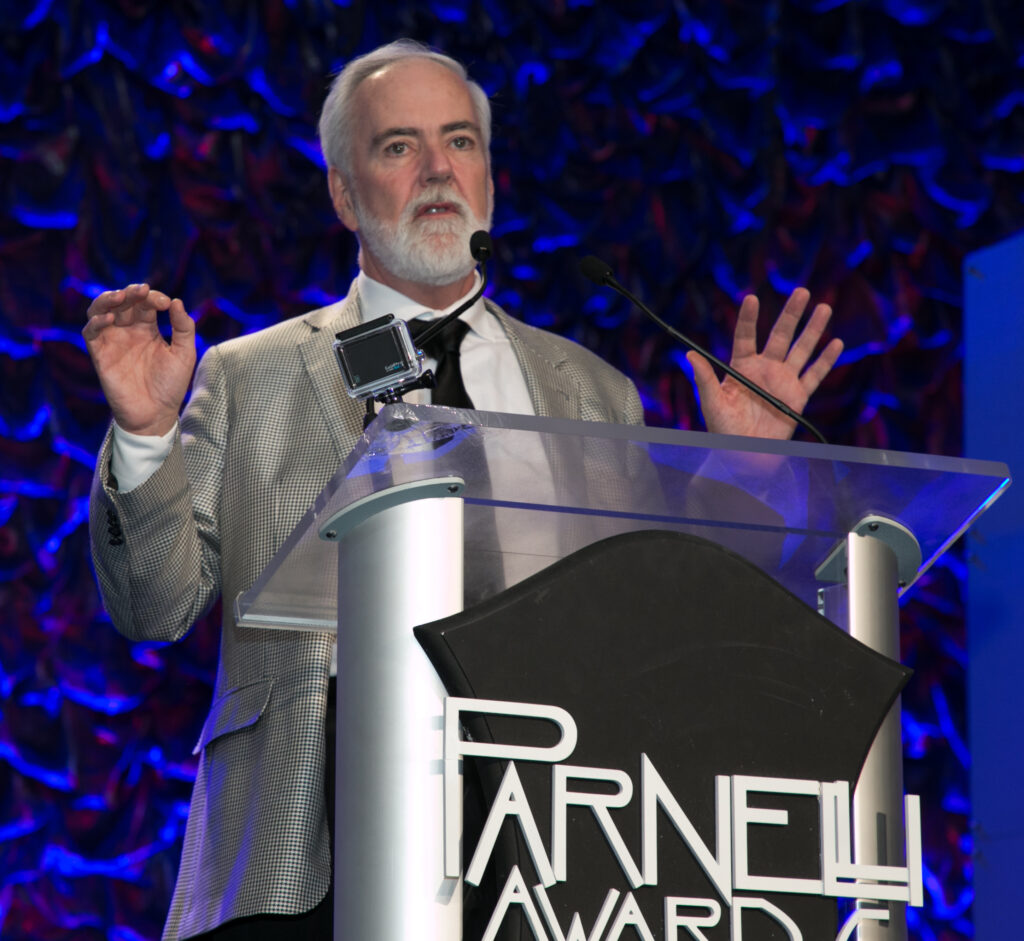
Terry Lowe.

About The Parnelli Awards

tamil actress mumtaj blue film

Who Is Parnelli?

Recent News

Tamil Actress Mumtaj Blue Film -

Tamil Actress Mumtaj: Classic Cinema and Vintage Movie Recommendations The early 2000s Tamil cinema landscape was defined by high-octane romance, catchy soundtracks, and vibrant, glamorous performances. Among the actresses who epitomized this era was Mumtaj (Nagma Khan). Making her explosive entry into the industry in 1999, she quickly carved out a niche for herself, becoming a staple in many iconic films of the period. This article explores the cinematic journey of Mumtaj, highlighting her, and suggesting some of her quintessential Tamil films that are must-watches for fans of early 2000s vintage cinema. The Rise of a 2000s Diva Entering the film industry through the T. Rajender directorial Monisha En Monalisa (1999), Mumtaj’s debut immediately captured attention. Known for her glamorous screen presence and energetic dance performances, she became a crowd favorite, often appearing in popular roles across several successful Tamil films. Mumtaj's popularity stemmed from her ability to bring a unique, electrifying energy to the screen, often stealing scenes in pivotal, high-energy sequences. Throughout the 2000s, she maintained a strong presence in the South Indian film industry, appearing in over a dozen notable Tamil projects. Essential Mumtaj: Classic Tamil Movie Recommendations If you are looking to take a trip down memory lane to the era of early 2000s Tamil cinema, here are some essential Mumtaj films to watch, as highlighted by ⁠News18 and ⁠Letterboxd : Kushi (2000) : Starring alongside Vijay and Jyothika, Mumtaj played a memorable, glamorous role in this S.J. Suryah romantic comedy, which remains one of her most recognized performances. Monisha En Monalisa (1999) : The film that started it all, directed by T. Rajender. It is a vital watch to see her entry into the industry. Looty (2001) : A comedy-driven film that showcased her popularity during the early phase of her career. Chocolate (2001) : Starring Prashanth and Jaya Re, this film features Mumtaj in a significant role, contributing to her reputation as a glamorous actress in the 2000s. Gemini (2002) : Starring Vikram, this blockbuster film featured a popular item number featuring Mumtaj, showcasing her dancing talent which was a major part of her appeal. Chellamae (2004) : A psychological thriller that showed her versatility in a supporting role. London (2005) : Another notable film featuring her energetic on-screen presence. Legacy of an Era Mumtaj’s career is inseparable from the aesthetic of 2000s Tamil cinema, marked by bold character choices and iconic, crowd-pleasing dance numbers. After a 19-year career, she officially retired following her appearance on ⁠Bigg Boss Tamil 2 in 2018. Her films remain a nostalgic treat for fans, offering a glimpse into the vibrant, commercial, and often glamorous world of early 2000s Tollywood and Kollywood cinema. If you'd like to revisit these, I can help you find: Which of these films are currently streaming on popular platforms. More details about her most popular dance performances. Other actors she frequently worked with.

Introduction The phrase “tamil actress mumtaj blue film” is a search query that appears periodically, suggesting a public interest in a topic that is largely based on misinformation, rumors, or the misinterpretation of certain facts. This article provides a comprehensive, factual overview of the career of Mumtaj, a prominent figure in Tamil cinema, clarifies the context of any associated controversies, and directly addresses the misleading nature of the 'blue film' keyword. The goal is to separate fact from fiction, providing readers with a respectful and accurate account of the actress's professional journey and personal life. Who is Mumtaj? Early Life and Entry into Cinema Born as Nagma Khan on July 5, 1980 , in Jamshedpur, Jharkhand, and raised in Mumbai, Mumtaj is a former Indian actress known primarily for her work in the Tamil film industry, also known as Kollywood. During her teenage years, she was a passionate film fan, with her room reportedly filled with posters of iconic actress Sridevi, and she dreamed of a career in movies. She completed her schooling at Mount Mary's Convent School in Bandra, Mumbai. Her entry into the film industry came in 1999 with the Tamil film ‘Monisha En Monalisa’ directed by T. Rajender. Initially, she used the screen name ‘Monisha’, derived from her debut film, before eventually adopting the more popular name ‘Mumtaj’. After working as an adult model, she transitioned into mainstream cinema, marking the beginning of a career that would span nearly two decades. A Flourishing Career in South Indian Cinema Mumtaj quickly rose to fame in the 2000s, becoming a popular face in Tamil cinema and expanding her presence to other South Indian film industries. She successfully worked in a variety of roles across Tamil, Telugu, Kannada, and Malayalam language films. Her on-screen persona was often associated with glamorous roles and item numbers, which made her a household name. Her filmography is extensive, with some of her most notable and commercially successful films including:

‘Kushi’ (2000) : One of her most well-known films, where her performance earned significant recognition. ‘Looty’ (2001) and ‘Chocolate’ (2001) : These films further cemented her status as a leading glamour icon of the era. ‘Gemini’ (2002) , ‘Chellame’ (2004) , ‘London’ (2005) , ‘Veerasamy’ (2007) , and ‘Rajadhi Raja’ (2009) were other successful ventures that contributed to her popularity in the industry.

Mumtaj's career continued steadily until her appearance in the reality show ‘Bigg Boss Tamil 2’ in 2018 . Following her participation in the show, she announced her permanent retirement from the film industry after 19 years, stating she had no interest in making a comeback. Controversies and Challenges Throughout her career and beyond, Mumtaj has been involved in a few legal and social controversies that have drawn media attention. These incidents are often conflated or confused with the 'blue film' query, but they are distinct events. The ‘Veerasamy’ Poster Controversy (2006) One of the most direct controversies related to her work occurred during the filming of the movie ‘Veerasamy’. A promotional poster for the film sparked legal trouble. A petition was lodged against Mumtaj and director T. Rajendar, alleging that a pose by Mumtaj was obscene and disrespectful. The petition claimed that in the poster, Mumtaj was shown lying next to a copy of the All India Reports (AIR), a legal publication considered "holy" by the legal profession. The petitioner argued that the pose disgraced the legal community and the book itself. This case was related to the content of a film poster, not a private "blue film." False Underworld Link In 2005, the actress was falsely linked to the brother of underworld don Dawood Ibrahim. The rumor originated when a police informant mentioned an actress named 'Nagma' was having an affair with Anees Ibrahim. This led to speculation that the 'Nagma' in question was Mumtaj, whose real name is Nagma Khan. Mumtaj vehemently denied these allegations, clarifying that the person referred to was likely a TV actress with the same name and that she had no connections of this nature. She stated she would never do anything to bring shame to her country. Employment and Harassment Allegations In 2022, Mumtaj was charged under the Child Labour Act for allegedly employing two minor girls at her residence. A 19-year-old woman also contacted the police, claiming she was being harassed while working at Mumtaj’s home, which led to an investigation. These legal issues are unrelated to any claims of a ‘blue film’. Unpacking the 'Blue Film' Myth The persistent search for “tamil actress mumtaj blue film” is a complex issue. A thorough review of credible sources, including filmographies, news archives, and legal records, reveals no evidence, confirmation, or substantiation that Mumtaj ever starred in or was involved in the production of any adult film commonly referred to as a "blue film." There are a few potential explanations for why this search term exists: tamil actress mumtaj blue film

Misinterpretation of ‘Adult Model’: Some older biographical sources mention that Mumtaj worked as an ‘adult model’ before entering mainstream cinema. This term can be ambiguous and, in some contexts, might be misinterpreted to mean involvement in adult films. However, in the Indian entertainment industry, ‘adult model’ can often refer to a glamour model, which is significantly different from performing in a ‘blue film’. This initial work might have led to confusion and the subsequent spread of a false rumor. Conflation with Other Actresses: The Tamil film industry has had multiple actresses with similar-sounding names (Mumtaj, Mumtaz, Nagma, etc.). Furthermore, in 2005, a different actress named ‘Nagma’ was at the center of an underworld scandal. It is possible that separate rumors about other actresses have been incorrectly attributed to Mumtaj over time, creating a fabricated association with adult content. Clickbait and Malicious SEO: The lack of legitimate information about a ‘Mumtaj blue film’ suggests that the search term is largely the result of clickbait websites or pages using her name to attract traffic for unrelated or fake content. The keyword itself is sensational, and by exploiting her name, website owners may hope to generate views, regardless of the actual veracity of the content. This is a common tactic used to manipulate search engines. Mistaken Identity of Fictional Works: There is a chance that a film or scene from one of her movies, known for its glamorous or bold scenes, has been taken out of context and mislabeled as a ‘blue film’ on certain illicit websites or forums. This is often done without the consent of the actor and is a form of misrepresentation.

Conclusion and Factual Summary After a thorough examination of the publicly available information, it is clear that the search for a “tamil actress mumtaj blue film” is based on false information, unsubstantiated rumors, and the misuse of her name for clickbait . There is no credible evidence to support the existence of any such film. Key Facts to Remember:

Mumtaj (born Nagma Khan) is a former Indian actress with a successful career in mainstream Tamil, Telugu, Kannada, and Malayalam cinema. She has stated publicly that she has no involvement with any criminal elements or any activity that would bring shame to her country. The only substantial controversy related to her on-screen work was a legal case involving a film poster, which was entirely unrelated to any ‘blue film’. The search term appears to be a product of malicious SEO practices, conflating her name with other actresses, and misinterpreting her early work as an ‘adult model’. Tamil Actress Mumtaj: Classic Cinema and Vintage Movie

Disclaimer The information presented in this article is based on a review of publicly available sources, including news reports, film databases, and legal records. The intent is to provide an accurate and respectful account of the individual's career and to debunk misinformation. The author and publisher do not condone the spread of false information or the association of any individual with unverified content. This article should serve as a final, factual stop for anyone searching this misleading query, reaffirming that the 'blue film' associated with Mumtaj is a myth, not a reality.

The golden age of Tamil cinema remains incomplete without acknowledging the standard of classic storytelling and the unforgettable presence of its iconic stars. For cinephiles searching for timeless art, exploring vintage South Indian movies provides a masterclass in drama, music, and performance. Here is a comprehensive guide to classic Tamil cinema, the cinematic era that defined generations, and curated vintage movie recommendations. The Evolution of Vintage Tamil Cinema Vintage Tamil cinema, spanning from the 1950s to the late 1980s, established the cultural and political blueprint of Tamil Nadu. This era was defined by powerful dialogues, social realism, and unforgettable soundtracks composed by legends like MS Viswanathan and later, Ilaiyaraaja. The industry was anchored by cinematic titans: Sivaji Ganesan: The king of drama and theatrical monologue. M.G. Ramachandran (MGR): The champion of the masses and commercial heroism. Gemini Ganesan: The definitive "Kadhal Mannan" (King of Romance). As the decades progressed into the 1970s and 1980s, filmmakers like K. Balachander, Bharathiraja, and Balu Mahendra shifted the focus toward gritty realism, complex female characters, and deeply human stories. This transition bridged the gap between grand theatricality and modern parallel cinema. Understanding Glamour and Characterization in Tamil Cinema A crucial element of Tamil cinema's evolution is how it balanced traditional heroism with glamour, dance, and antagonistic foil characters. Over the decades, the role of actresses shifted from mythological submissive figures to complex modern women. While the vintage era celebrated the dramatic prowess of Savitri, Padmini, and KR Vijaya, later decades introduced specialized roles for dance and glamour icons. In the late 1990s and early 2000s, actresses like Mumtaj carved out a distinct niche. Known for her powerful screen presence, expressive dance skills, and striking appearances in high-profile commercial films like Kushi (2000), Mumtaj represented a specific era of mainstream Tamil cinema where item numbers and glamour tracks were essential to a movie's box-office success. Understanding these shifts—from the classical dance dramas of the 1960s to the high-energy commercial blockbusters of the 2000s—highlights how Tamil cinema has continuously redefined entertainment and femininity on screen. Essential Vintage Tamil Movie Recommendations For viewers looking to dive deep into the absolute classics of Tamil cinema, these essential recommendations span different genres, eras, and styles: 1. The Definitive Classics (1950s - 1960s) Parasakthi (1952): The debut of Sivaji Ganesan. Written by M. Karunanidhi, this film revolutionized Tamil cinema with its sharp socio-political dialogues and critique of societal hypocrisy. Mayabazar (1957): A landmark epic fantasy film based on the Mahabharata. It features groundbreaking special effects for its time and stellar performances by Savitri and Gemini Ganesan. Thillana Mohanambal (1968): A beautiful musical drama showcasing the rivalry and romance between a Nadaswaram player (Sivaji Ganesan) and a Bharatanatyam dancer (Padmini). 2. The Realist Wave (1970s - 1980s) Aval Oru Thodar Kathai (1974): Directed by K. Balachander, this film centers on a fiercely independent working-class woman supporting her family, breaking traditional stereotypes of the submissive heroine. 16 Vayathinile (1977): Bharathiraja’s debut film that moved Tamil cinema out of indoor studios and into real rural landscapes. It features iconic performances by Sridevi, Kamal Haasan, and Rajinikanth. Moondram Pirai (1982): Directed by Balu Mahendra, this tragic romantic drama features Kamal Haasan and Sridevi at the absolute peak of their acting abilities, backed by a haunting score by Ilaiyaraaja. Why Classic Tamil Cinema Matters Today Exploring vintage Tamil movies is more than a nostalgic exercise. It reveals the roots of modern Indian filmmaking techniques. The sharp screenplays of the past, the reliance on deep emotional stakes rather than CGI, and the timeless melodies continue to inspire contemporary directors. Whether you are drawn to the theatrical brilliance of the 1960s or the stylized commercial shifts of the turn of the century, Tamil cinema offers a rich, diverse tapestry of storytelling waiting to be rediscovered. To help tailor your next viewing session, let me know what you would like to explore next: Do you prefer romantic dramas, intense thrillers, or musical epics ? g., 1960s vs. 1980s)? Share public link This public link is valid for 7 days and shares a thread, including any personal information you added. This link or copies made by others cannot be deleted. If you share with third parties, their policies apply. Can’t copy the link right now. Try again later.

The Enduring Legacy of Mumtaz in Tamil Cinema: A Journey Through Classic Films Mumtaz, a name that evokes nostalgia and grandeur in the realm of Tamil cinema. With a career spanning over five decades, Mumtaz has left an indelible mark on the industry, captivating audiences with her mesmerizing performances and striking screen presence. This essay aims to explore Mumtaz's contributions to Tamil cinema, highlighting some of her most iconic films and providing a curated list of vintage movie recommendations that showcase her remarkable talent. Early Years and Rise to Stardom Born on March 31, 1947, in Mumbai, Mumtaz began her acting career as a child artist in the 1950s. She made her debut in Tamil cinema with the 1963 film "Mangali," but it was her breakout performance in "Kamban" (1963) that catapulted her to stardom. Her early years were marked by a string of successful films, including "Thangarathinim" (1963) and "Aayirathil Oruvan" (1965), which showcased her versatility and range. Classic Cinema and Vintage Movie Recommendations Mumtaz's filmography boasts an impressive array of classic films that continue to captivate audiences to this day. Here are some vintage movie recommendations that highlight her remarkable talent: This article explores the cinematic journey of Mumtaj,

Aadavar (1969) : A historical drama directed by B. R. Panthulu, Aadavar stars Mumtaz as a princess who finds herself caught in a web of politics and intrigue. Her performance earned her critical acclaim and cemented her status as a leading lady in Tamil cinema. Thenpagan (1973) : Directed by K. Balachander, Thenpagan is a romantic drama that tells the story of a young woman's struggles with love and family expectations. Mumtaz's nuanced performance as the protagonist earned her a Filmfare Award nomination for Best Actress. Uyarukku Uravadhu (1977) : In this socially conscious drama directed by S. P. Rajkumar, Mumtaz plays a strong-willed woman who challenges the societal norms and expectations placed upon her. Her performance was widely praised for its sensitivity and depth. Vairam (1974) : A family drama directed by A. Kasilingam, Vairam stars Mumtaz as a devoted daughter who sacrifices her own happiness for the sake of her family. Her performance showcased her range and emotional depth.

Legacy and Impact on Tamil Cinema Mumtaz's contributions to Tamil cinema extend beyond her impressive filmography. She has been an inspiration to generations of actresses, paving the way for future stars. Her on-screen presence and performances have left a lasting impact on the industry, influencing the types of roles written for women in Tamil films. Conclusion Mumtaz's remarkable career in Tamil cinema is a testament to her talent, dedication, and perseverance. Her classic films continue to enthrall audiences, offering a glimpse into a bygone era of Indian cinema. This essay has highlighted some of her most iconic films, providing a curated list of vintage movie recommendations that showcase her remarkable talent. As a cinematic icon, Mumtaz's legacy continues to inspire and influence new generations of filmmakers and actors, ensuring her place in the annals of Tamil cinema history. Recommended Viewing For those interested in exploring Mumtaz's filmography, here are some additional recommendations:

Photos: 23rd Annual Parnelli Awards