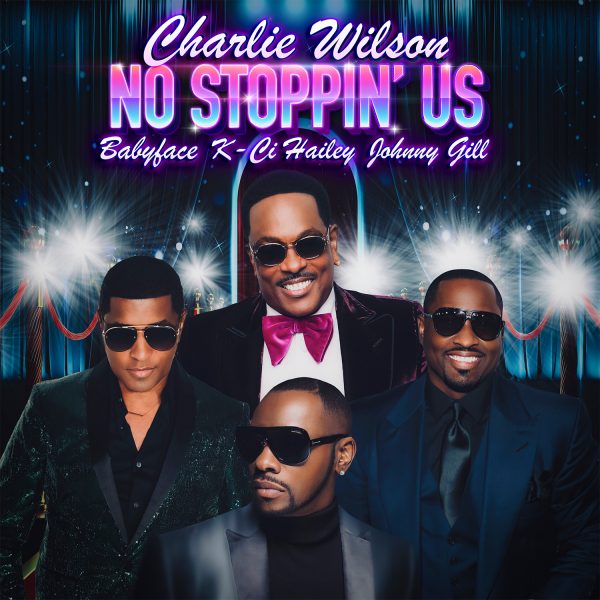
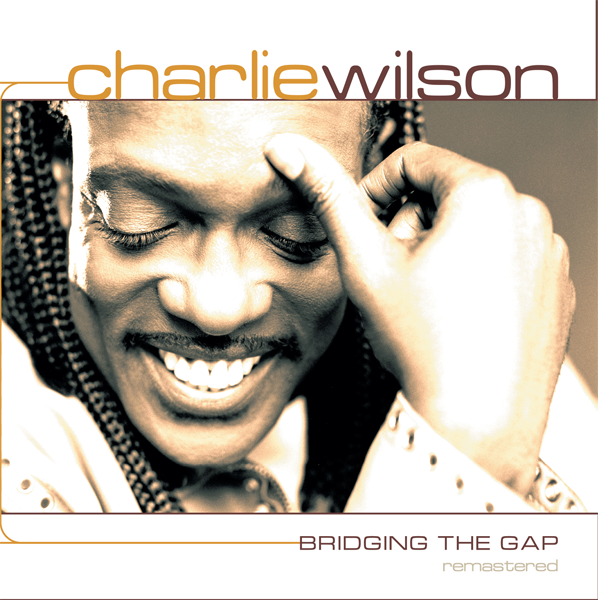
Charlie Wilson Joins ‘We Playin’ Spades’ to Talk Music, Classic Hits, and His Upcoming R&B Cookout Tour
Charlie Wilson joined Nick Cannon and Courtney Bee on the popular “We Playin’ Spades” podcast, where he shared stories from […]
Read More »When searching for software, terms like "-thethingy-" often refer to specific, community-verified, or archived versions of the software. Users look for these versions to ensure they are acquiring: A clean installation file. A stable, offline, or enterprise-compatible build.
This feature allows you to see how text will look before you paste it, allowing you to choose between keeping source formatting, matching destination formatting, or keeping text only. Why Use the 64-bit Version? MICROSOFT OFFICE 2010 WORD X64 -thethingy-
If you’ve spent any time digging through old software forums, abandonware sites, or corporate IT archives, you might have stumbled across a curious relic labeled . When searching for software, terms like "-thethingy-" often
Old Core 2 Duo or first-gen Core i7 machines running Windows 7 x64 can still benefit from the 64-bit version of Word 2010, which can handle and complex mail merges without crashing — something 32-bit Word 2010 cannot. This feature allows you to see how text
Unlike Microsoft 365, Office 2010 is a perpetual license. If you own a valid product key, you can install indefinitely. Security updates ended in October 2020, but for offline use, it remains functional.
In the professional and academic world, Word 2010 became the "gold standard" for stability. Even years after Microsoft ended official support, many organizations continued to use it because of its balance between a feature-rich environment and low system overhead. The "x64" designation became a badge of performance, signaling a version of the software capable of meeting the demands of the next decade of digital growth. Conclusion
Charlie Wilson joined Nick Cannon and Courtney Bee on the popular “We Playin’ Spades” podcast, where he shared stories from […]
Read More »
Charlie Wilson joins Amaarae on her highly anticipated new album Black Star, collaborating on the track “Dream Scenario.” The 13-song […]
Read More »
Charlie Wilson’s newest single taps back into his signature feel-good sound with a groove that is perfect for the summer. […]
Read More »
Charlie Wilson brings his signature smooth vocals to country star Scotty McCreery’s new single “Once Upon a Bottle of Wine” […]
Read More »
Charlie Wilson joins Gracie’s Corner, the popular children’s animated sing-along YouTube series for a new song, “Have a Good Time.” Watch […]
Read More »
When searching for software, terms like "-thethingy-" often refer to specific, community-verified, or archived versions of the software. Users look for these versions to ensure they are acquiring: A clean installation file. A stable, offline, or enterprise-compatible build.
This feature allows you to see how text will look before you paste it, allowing you to choose between keeping source formatting, matching destination formatting, or keeping text only. Why Use the 64-bit Version?
If you’ve spent any time digging through old software forums, abandonware sites, or corporate IT archives, you might have stumbled across a curious relic labeled .
Old Core 2 Duo or first-gen Core i7 machines running Windows 7 x64 can still benefit from the 64-bit version of Word 2010, which can handle and complex mail merges without crashing — something 32-bit Word 2010 cannot.
Unlike Microsoft 365, Office 2010 is a perpetual license. If you own a valid product key, you can install indefinitely. Security updates ended in October 2020, but for offline use, it remains functional.
In the professional and academic world, Word 2010 became the "gold standard" for stability. Even years after Microsoft ended official support, many organizations continued to use it because of its balance between a feature-rich environment and low system overhead. The "x64" designation became a badge of performance, signaling a version of the software capable of meeting the demands of the next decade of digital growth. Conclusion